
BLOSSOM END ROT OF PEPPER AND TOMATO
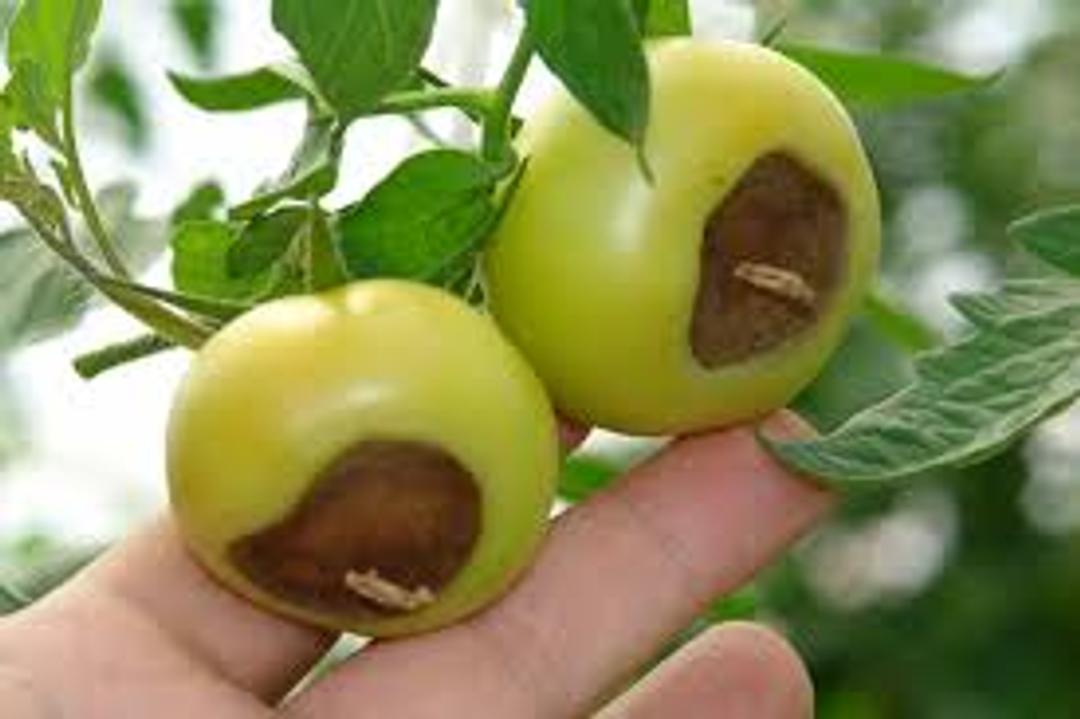
Blossom-end rot is a physiological disorder of tomatoes and peppers. It is a disturbance in the normal physiology of the plant. It is non-infectious
disease that is associated with environmental conditions.
Symptoms and Diagnosis
• The first evidence of blossom end rot consists of a brown or water-soaked
discoloration near the blossom end (opposite the stem end) of the fruit (marked)
• Over time the area turns dark brown or black and may become sunken or leathery.
• Sometimes an internal black rot will develop in the center of the fruit with little
or no external symptoms.
• Tomatoes affected by blossom end rot grow slowly and often ripen prematurely
Causes of Blossom-End Rot
Failure of sufficient calcium to reach the blossom end of the fruit early in fruit development causes the cells in this area to die.
The most common cause of blossom-end rot is fluctuating soil moisture.
Blossom end rot occurs more frequently when plants grown under favorable
conditions early in the season are subjected to long periods of drought during the early stages of fruit development
Excessive applications of fertilizer containing ammonia can also result in symptoms.
Less frequently, an actual deficiency of calcium in the soil may cause this rot.
Management Strategies
Maintain even soil moisture. Water regularly during dry periods
Use mulches that conserve soil moisture to avoid fluctuating moisture levels in the soil especially during the flowering and fruiting stages (organic mulch is recommended)
Soil containing high humus will retain moisture during dry periods
When adding nitrogen, use calcium nitrate rather than ammonia or urea forms.