
State Spends Millions on Inmates While Others Profit from Prison Labor: Dr. Frank Ackah Calls for Reform
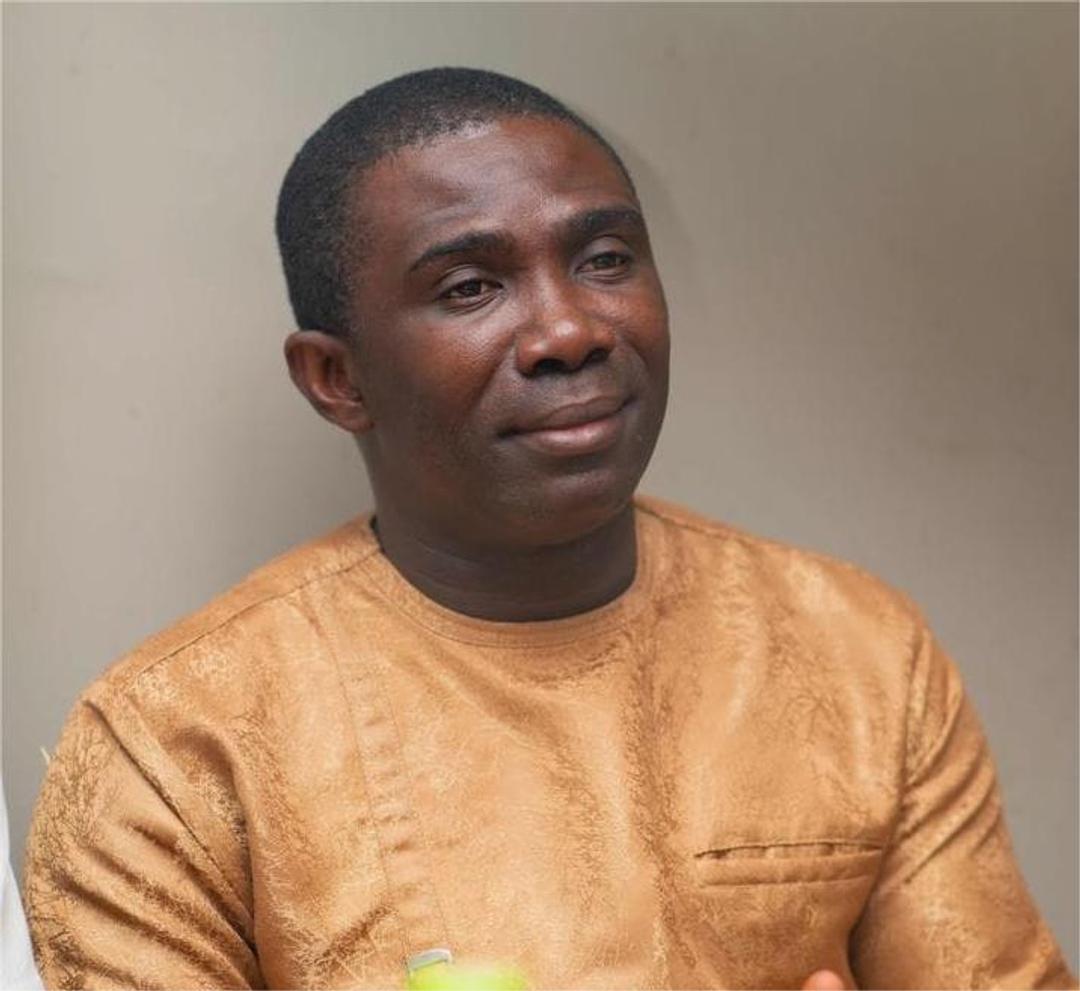
Dr. Frank Kwekucher Ackah, a Senior Lecturer at the University of Cape Coast’s Department of Crop Science, has raised concerns about the significant financial burden of maintaining inmates in Ghana. He argues that while the state spends millions of cedis on prisoners, the labor they provide is not being utilized for national benefit.
“We are spending millions maintaining prisoners, but their labor is not contributing to the nation. It’s time to rethink our approach,” Dr. Ackah stated.
A New Vision for Prison Labor Reform
Dr. Ackah advocates for a system where inmates are actively engaged in productive sectors such as agriculture, construction, and industry. He envisions a structured program where prisoners are incentivized to meet specific production targets—such as cultivating a set amount of crops or raising livestock. Those who meet these goals could receive reduced sentences, encouraging active participation while contributing to the economy.
Beyond agriculture, Dr. Ackah also highlights the potential benefits of integrating inmate labor into the construction sector. He suggests that prisoners could be employed in public infrastructure projects, including road construction and the building of government schools. This approach would significantly lower labor costs, allowing the government to reinvest savings into prison reforms and other essential sectors.
“Using inmates for public construction projects can help cut overall costs, and the funds saved can be redirected to improve prison conditions or support other critical sectors,” he noted.
Expanding Prison Labor to the Industrial Sector
In addition to agriculture and construction, Dr. Ackah believes that Ghana’s industrial sector could benefit from structured prison labor programs. With industries in need of a workforce, prisoners could be employed in factories and production lines, further boosting the country’s economic output.
While he acknowledges potential challenges, such as security and supervision, Dr. Ackah believes these issues can be effectively managed with proper planning and oversight. His proposal aims to transform the prison system into a mechanism that not only rehabilitates inmates but also contributes to national economic growth.
Learning from Burkina Faso’s Example
Dr. Ackah’s call for reform comes as neighboring Burkina Faso adopts similar strategies to utilize prison labor for economic benefits. Burkina Faso has implemented initiatives where inmates contribute to agricultural projects to combat food insecurity and support the economy. Dr. Ackah believes Ghana could adopt a similar model to address key economic challenges.
Currently, he argues, prison labor in Ghana is often exploited by prison officials and private entities, providing little to no benefit to the state or the inmates themselves. This, he suggests, leaves the government with the financial burden of maintaining a largely unproductive prison population.
His proposed reforms aim to turn prison labor into a tool for both economic development and inmate rehabilitation. By engaging prisoners in state-run agricultural projects, such as cassava or poultry farming, Ghana could boost food production while alleviating inflation.
A structured approach to utilizing inmate labor could help address labor shortages in crucial sectors and reduce the financial strain on the state. Dr. Ackah’s recommendations offer a path toward making Ghana’s prison system more productive and beneficial to both the economy and society.